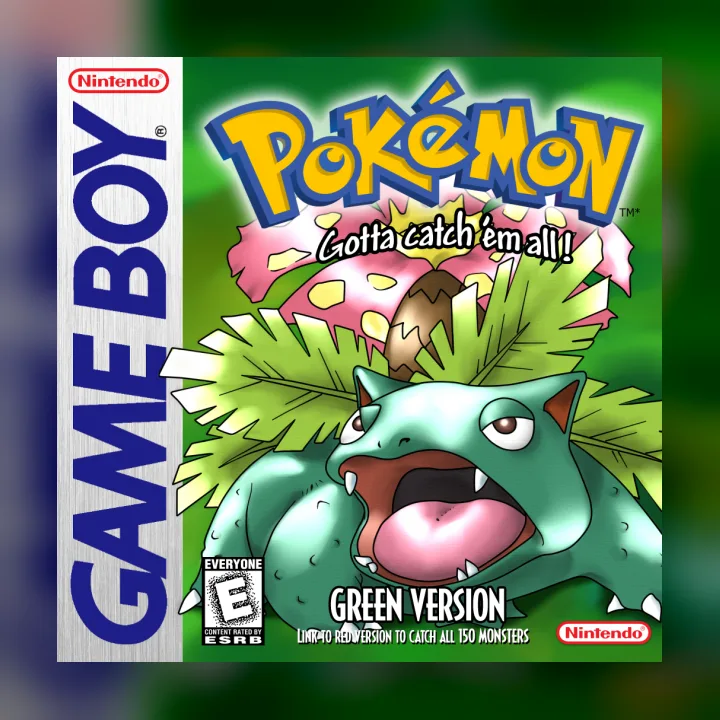
Pokémon Green Version
1996 · Nintendo · Role-Playing · 1–2 players
Nintendo Game Boy
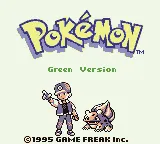
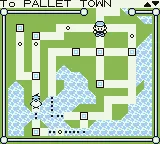
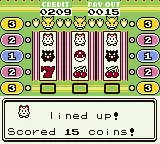
Before Red and Blue reached the West, Japan played Pocket Monsters Red and Green. This page runs the Japanese Green cartridge with an unofficial English fan translation, so you can see the original 1996 sprites and maps in English.
The 1996 Nintendo Game Boy game, free to play in your browser.
Runs in your browser, fullscreen. Keyboard, gamepad and touch controls. Your progress is saved on this device.
About Pokémon Green Version
The game that started it all in Japan
Pocket Monsters Red and Green went on sale in Japan on 27 February 1996, after slipping from a planned December 1995 date. Game Freak developed them for the Game Boy and Nintendo published them. Satoshi Tajiri directed, Junichi Masuda wrote the music for the handheld’s four sound channels, and Ken Sugimori drew the Pokémon, with Atsuko Nishida designing several of them, including Pikachu.
Together with the later Japanese Blue, the games sold 10.23 million copies in Japan. Nintendo never released Green outside the country; even its February 2016 return on the Nintendo 3DS Virtual Console stayed a Japanese release.
Green, Japanese Blue and the English games
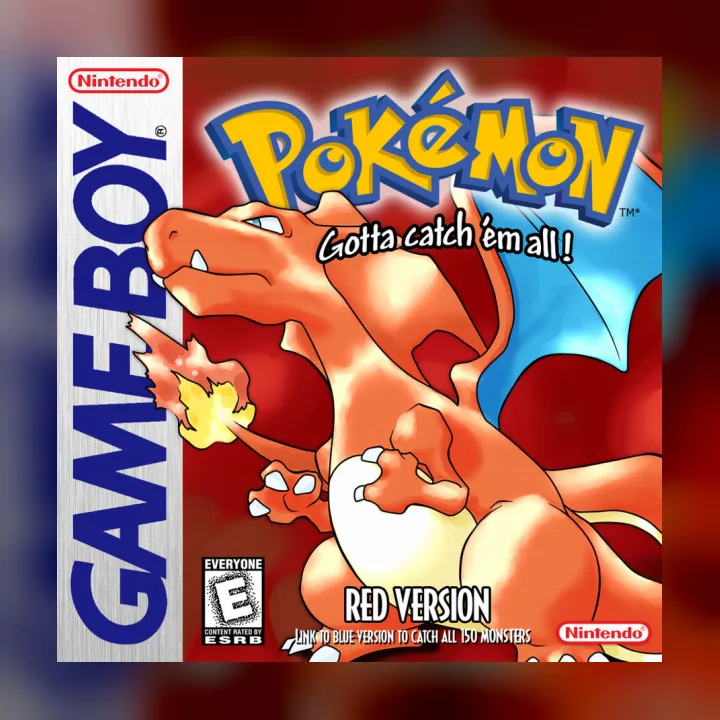
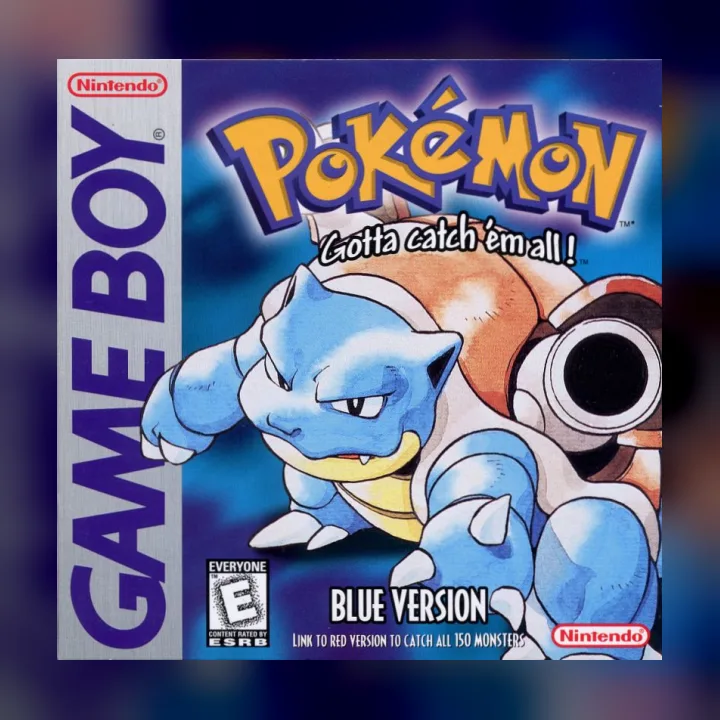
It is easy to assume that English Blue is just Green translated, but the history has three steps. First came Red and Green. Then, in October 1996, a third Japanese edition, Pocket Monsters Blue, was offered by mail order to CoroCoro Comic readers. It redrew the sprite of every Pokémon and redesigned the Unknown Dungeon, the cave where Mewtwo waits. Finally, the English Red and Blue were reprogrammed on Japanese Blue’s code and graphics, while keeping the wild Pokémon split of Red and Green.
That makes Green the counterpart of English Blue in one way only: its exclusives. Here you can catch Sandshrew, Vulpix, Meowth, Bellsprout and their evolutions, plus Magmar and Pinsir, but not Red’s Ekans, Oddish, Mankey, Growlithe, Scyther or Electabuzz. What sets Green apart is the look: its Pokémon sprites are the original 1996 drawings, which differ noticeably from the versions most Western players know, and the Unknown Dungeon keeps its first layout.
About the English text on this page
The ROM here is the Japanese Green cartridge with an English fan translation patch, credited in the file name to Skeetendo, version 2.5. It is an unofficial project by fans, not a Nintendo release, and it was not made or approved by Nintendo, Game Freak or The Pokémon Company. Expect the menus and dialogue to be the translators’ work rather than the official English script of Red and Blue.
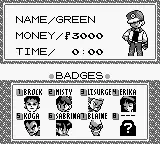
The adventure itself is the familiar one: choose Bulbasaur, Charmander or Squirtle in Pallet Town, collect eight badges, deal with Team Rocket and challenge the Elite Four. Move with the D-pad, talk and confirm with A, cancel with B, and press Start for the menu where you save. Select rearranges items and moves.
The Mew contest that fuelled the craze
Mew was added by programmer Shigeki Morimoto at the very end of development, as a secret among the staff. In the April 1996 issue of CoroCoro Comic, a Legendary Pokémon Offer promised to add Mew to the cartridges of twenty winners. Over 78,000 readers applied, far more than the 3,000 Nintendo expected. Each prize Mew was created on Morimoto’s own computer and traded by hand into the winners’ games. On an ordinary cartridge, Mew still cannot be caught in normal play.
Sources: en.wikipedia.org, serebii.net, bulbapedia.bulbagarden.net
Screenshots
Game details
- Platform
- Nintendo Game Boy
- Released
- 1996
- Developer
- Game Freak
- Publisher
- Nintendo
- Genre
- Role-Playing
- Players
- 1–2 players
- Japan release
- 27 February 1996 (alongside Pocket Monsters Red)
- Original title
- Pocket Monsters Green
- Developer
- Game Freak
- Publisher
- Nintendo
- Director
- Satoshi Tajiri
- Composer
- Junichi Masuda
- Official release outside Japan
- None
- Exclusive Pokémon
- Same 11 as English Blue (Sandshrew, Vulpix, Meowth and Bellsprout lines, Magmar, Pinsir)
- Japanese sales
- 10.23 million (Red, Green and Blue combined)
- Version on this page
- Japanese Game Boy cartridge with unofficial English fan translation (Skeetendo, v2.5)
- Emulator
- Gambatte
How to play Pokémon Green Version
Press Play: the game starts fullscreen in your browser, nothing to install. Press Esc or the ‹ Menu button to come back here; your progress is saved and you can continue next time.
Keyboard
| Arrow keys | Move |
|---|---|
| Z | A button |
| X | B button |
| Enter | Start |
| V | Select |
Gamepads (Xbox, PlayStation, Switch and most USB or Bluetooth pads) work as soon as you press a button; two pads give two players. On phones and tablets on-screen buttons appear. Keys can be changed in the emulator's Controls menu.
Pokémon Green Version FAQ
Can I play Pokémon Green in English online?
Yes, on this page. It runs the Japanese Green cartridge with an English fan translation in your browser, at no cost, with keyboard, gamepad or touch controls. Your save is kept in your browser.
Is this an official Nintendo English release?
No. Nintendo only released Green in Japan. The English text comes from an unofficial fan translation patch applied to the Japanese game.
Is Pokémon Green the same as English Pokémon Blue?
Only in its exclusive Pokémon. English Blue was built on the later Japanese Blue, with redrawn sprites and other changes, while Green keeps the original 1996 graphics.
Can I trade Pokémon with Red here?
No. Trading and link battles need two connected games, and this emulator runs a single game in one browser. Trade-only evolutions such as Alakazam and Gengar cannot be reached here.
Which Pokémon can only be caught in Green?
Sandshrew, Sandslash, Vulpix, Ninetales, Meowth, Persian, Bellsprout, Weepinbell, Victreebel, Magmar and Pinsir.
Comments
No comments yet. Be the first!